

Hyperallergic· Folge 42
The Relationship Between Art and Law Since the 1960s
Montag, 11. November 2019 · 58 min
Kapitelklicken springt direkt hin
Shownotes
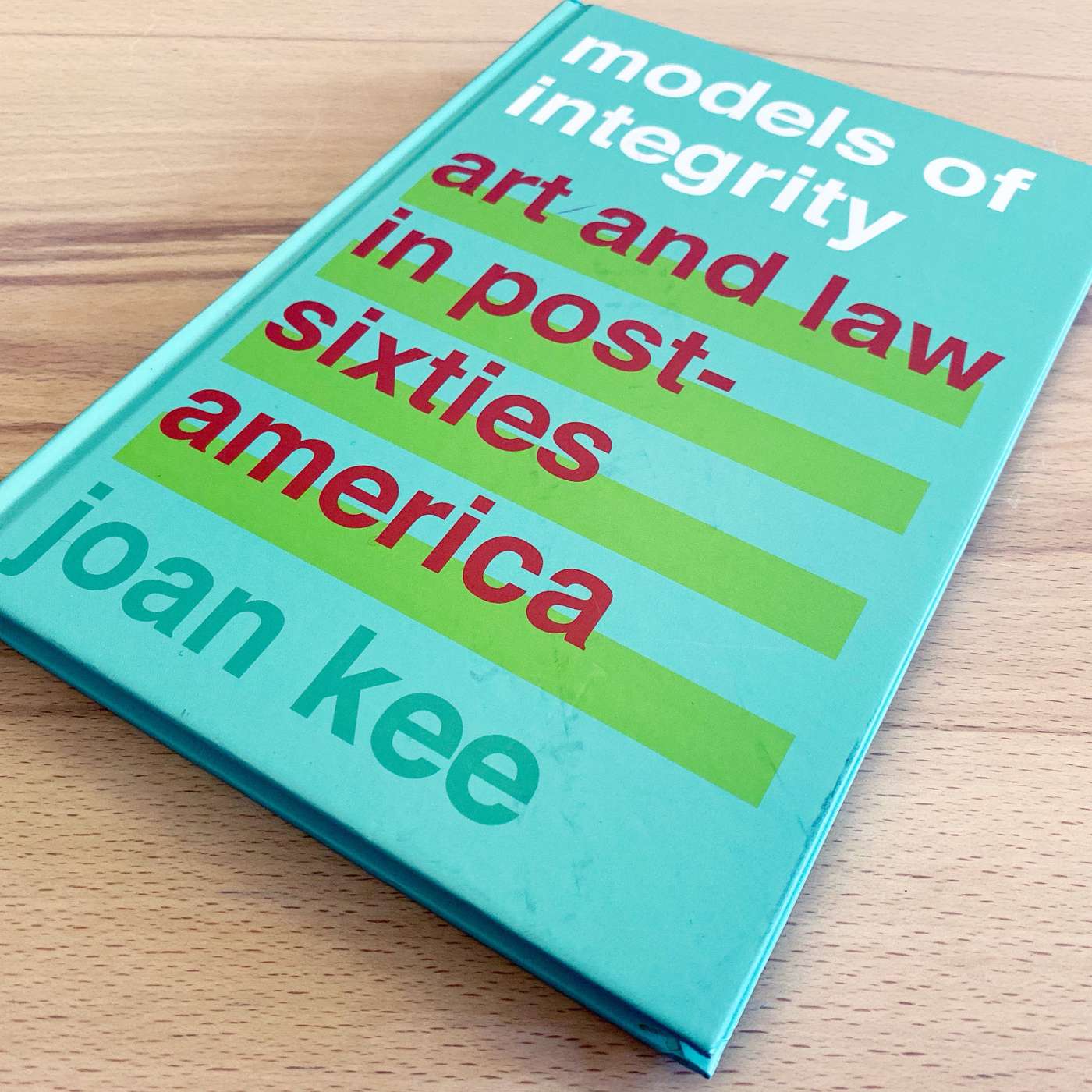
Joan Kee (en.wikipedia.org/wiki/Joan_Kee) is the rare combination of art historian and lawyer, and she's shared her skills in her new book, Models of Integrity: Art and Law in Post-Sixties America (amazon.com/Models-Integrity-Art-Post-Sixties-A…), which examines the legal issues major contemporary artists (from Tehching Hsieh to Felix Gonzales-Torres) have confronted in the past 60 years.
Kee's research shows that since the 1960s, as artist projects have become more expansive and expensive, the world of lawyers and laws is becoming a bigger part of the equation. From discussions of Christo and Jeanne-Claude (hyperallergic.com/497426/walking-on-water-chri…)'s "Running Fence" land art project (they actually had offers to place the project elsewhere, which would've been a lot easier) to Gordon Matta-Clark's Fake Estates (guggenheim.org/artwork/5210) micro-real estate project (there is no evidence the artist did or did not want to present this as an artwork), Kee's research demonstrates that the history of art has increasingly been intertwined with its legal realities.
A special thanks to Brooklyn-based musician SunSon (sunson.band) for providing the music to this episode, and you can check out his website sunson.band. You can also follow him on Facebook (facebook.com/SunsonPDX) or Instagram (instagram.com/sunson_pdx).
This and more in the current episode of our weekly Art Movements (hyperallergic.com/tag/art-movements-podcast) podcast.
Subscribe to Hyperallergic’s Art Movements on iTunes (itunes.apple.com/us/podcast/hyperallergic/id11…), and anywhere else (hyperallergic.simplecast.com) you listen to podcasts.
